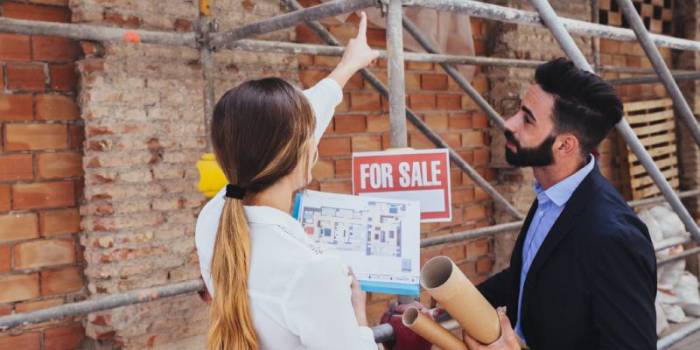
Building a home is an exciting journey, but it can also be fraught with pitfalls. Mistakes to avoid when building a home are crucial to understand, as they can save you time, money, and stress in the long run. Every decision, from budgeting to site selection, shapes the outcome of your new abode.
In this guide, we’ll explore the most common blunders that homeowners make and highlight the importance of professional guidance throughout the process. Effective planning and choosing the right materials play a vital role in ensuring your project runs smoothly and meets your expectations.
Common Mistakes in Home Building
Building a home is an exciting yet complex journey, and it’s easy for homeowners to make mistakes along the way. Understanding these common pitfalls can save time, money, and stress during the construction process. This discussion highlights the key errors that often occur and underscores the significance of planning and budgeting effectively to ensure a successful home-building experience.
Top Mistakes Made by Homeowners
One of the most significant mistakes homeowners make is underestimating the costs associated with building a house. Many begin with a budget that does not account for unexpected expenses, leading to financial strain as the project progresses. It’s crucial for homeowners to conduct thorough research and seek professional advice to create a realistic budget. Here are some common financial pitfalls:
- Ignoring hidden costs such as permits, utility connections, and landscaping.
- Falling for low bids that may not include essential services or quality materials.
- Not allocating funds for contingencies, which could lead to project delays or compromises on quality.
Another prevalent mistake is the lack of proper planning. Homeowners often rush into decisions regarding layout, design, and materials without considering long-term needs. Each decision should contribute to a cohesive vision for the home. Below are planning oversights to be wary of:
- Neglecting to create a detailed timeline that Artikels key milestones and deadlines.
- Failing to consult with design professionals to maximize functionality and aesthetics.
- Overlooking the importance of energy efficiency, which can lead to higher utility bills in the long run.
Importance of Site Selection
Choosing the right location for a home is critical to overall satisfaction and property value. Poor site selection can lead to a myriad of problems, from environmental concerns to accessibility issues. The implications of a bad choice are significant and often irreversible. Key considerations in site selection include:
- Evaluating the land’s topography and soil quality, which can affect construction feasibility and stability.
- Considering proximity to amenities (schools, shops, public transport) for convenience.
- Assessing potential environmental hazards, such as flooding, which can lead to costly repairs and insurance challenges.
“Site selection is not just about finding the right piece of land; it’s about ensuring the foundation of your dream home is as solid as the structure itself.”
By avoiding these common mistakes and taking a proactive approach to planning and site selection, homeowners can pave the way for a smoother building process and a more satisfying end result.
Role of Professionals in Avoiding Mistakes

Hiring the right professionals during the home building process can significantly reduce the risk of costly errors and misunderstandings. Each expert brings their own set of skills and knowledge that help navigate the complexities of home construction, ensuring the project runs smoothly and meets your expectations. Engaging with experienced real estate agents, qualified builders, and architects or designers can provide invaluable insights and guidance throughout the process.
Importance of Experienced Real Estate Agents
Experienced real estate agents play a crucial role in the home building journey. They possess extensive knowledge of the local market, which helps you make informed decisions regarding land purchases and property values. These professionals can spot potential issues with a property early on, such as zoning restrictions or unfavorable conditions that may affect your construction plans. Additionally, they often have established relationships with other key players in the industry, including builders and contractors, which can facilitate smoother negotiations and better opportunities for collaboration.
Benefits of Hiring a Qualified Builder
Selecting a qualified builder is instrumental in avoiding mistakes that could lead to significant financial losses or delays. A reputable builder not only understands the technical aspects of construction but also adheres to local building codes and regulations, minimizing the risk of compliance issues. They are experienced in managing timelines and budgets, allowing for a more streamlined construction process. Moreover, a skilled builder brings attention to detail, ensuring that quality materials are used and that the construction aligns with your vision.
This expertise often translates into fewer construction errors and long-term durability of the home.
Engaging Architects or Designers in the Planning Phase
Involving architects or designers early in the planning phase is essential for creating a functional and aesthetically pleasing home. These professionals possess the design expertise needed to translate your ideas into feasible plans, considering factors such as space utilization, natural lighting, and environmental impact. They can provide 3D visualizations or sketches that help you visualize the final product before construction begins, reducing the likelihood of costly changes later on.
Furthermore, architects and designers can recommend materials and construction techniques that enhance the home’s sustainability and energy efficiency, making your investment more valuable in the long run.
Key Considerations During Construction
Building a home is a significant investment, and understanding key considerations during the construction phase can help homeowners avoid common pitfalls. Paying attention to vital factors not only leads to a successful project but can also enhance the long-term value and comfort of your home. Here, we will Artikel essential elements to consider during construction, along with a checklist to keep your project on track, and a comparison of building materials that influence maintenance in the long run.
Essential Factors to Consider
When embarking on home construction, several critical factors should be at the forefront of every homeowner’s mind. These considerations involve everything from site selection to design choices and contractor coordination.
1. Site Selection
Choose a location that not only fits your lifestyle but also adheres to zoning laws and environmental regulations. Consider factors like access to utilities, drainage, and the overall landscape. For example, building on a floodplain might save costs upfront but could lead to exorbitant insurance rates or renovations later.
2. Budgeting
Creating a detailed budget encompassing all aspects of construction is essential. Include not only materials and labor but also potential unexpected costs. Homeowners should anticipate at least a 10-15% contingency in their budget for unforeseen expenses.
3. Permits and Regulations
Ensure you have all the necessary permits before construction begins. Non-compliance can lead to fines or even the halt of construction.
4. Timeline Management
Establish a realistic timeline, factoring in supply chain delays or weather-related interruptions. Maintaining flexibility will help alleviate stress as the project progresses.
5. Construction Quality
Prioritize quality over cost. It might be tempting to cut corners to save money, but this often leads to higher maintenance costs down the line. Opt for proven construction practices and durable materials.
Homeowner Checklist During Construction
To stay organized and ensure nothing is overlooked during construction, homeowners can refer to the following checklist. It covers critical milestones and responsibilities that should be monitored and completed during the building process.
Pre-Construction
Finalize the design and layout with your architect or designer.
Obtain necessary permits and approvals.
Confirm contractor credentials and experience.
During Construction
Regularly visit the site to monitor progress and quality.
Ensure that materials being used meet your specifications and standards.
Communicate frequently with the contractor to address any issues promptly.
Post-Construction
Conduct a thorough walkthrough with your contractor to ensure all elements are completed.
Create a maintenance schedule for inspections and necessary upkeep.
Review warranties for all major installations and appliances.
Comparison of Building Materials
Selecting the right building materials can significantly impact not only the immediate construction process but also the long-term maintenance and durability of your home. Below is a comparison of common materials used in home construction and their implications.
| Material | Durability | Maintenance Needs | Long-Term Implications |
|——————|——————|—————————|——————————–|
| Wood | Moderate | Regular treatments needed | Susceptible to pests and rot, requires periodic inspection.
|
| Brick | Very High | Low | Excellent insulation, can withstand weather extremes. |
| Concrete | High | Low | Very durable, but can crack under severe conditions.
|
| Steel | Very High | Low | Resistant to pests and fire, may be prone to corrosion if not treated.
|
| Vinyl Siding | Moderate | Low | Requires occasional cleaning, available in various styles. |
| Fiber Cement | High | Low | Highly durable, resistant to weather and pests, but heavier and may require specialized installation.
|
Understanding these materials helps homeowners make informed choices that align with their budget, aesthetic preferences, and maintenance capacity. Each material has distinct characteristics that affect not just the look of the home, but also the time and cost associated with maintenance in the future.
Closing Summary
In conclusion, avoiding mistakes when building a home is essential for a successful and rewarding experience. By being mindful of common errors and engaging professionals, you can navigate the complexities of home construction with confidence. Ultimately, a well-thought-out approach not only enhances your living space but also secures your investment for years to come.
Commonly Asked Questions
What is the most common mistake when building a home?
One of the most common mistakes is failing to plan and budget effectively, leading to unexpected costs and delays.
How important is site selection?
Site selection is critical, as it impacts everything from construction costs to future resale value and livability.
Should I hire an architect?
Yes, hiring an architect can help ensure that your vision is realized while incorporating safety and efficiency into the design.
What role does a builder play in avoiding mistakes?
A qualified builder brings experience and knowledge that can prevent costly construction errors and ensure quality workmanship.
How can I ensure I choose the right materials?
Research different building materials by comparing durability, costs, and maintenance implications to make informed decisions.


![Luxury homes for sale in [City]](https://fiabode.info/wp-content/uploads/2025/05/luxury-homes-300x200.jpg)
