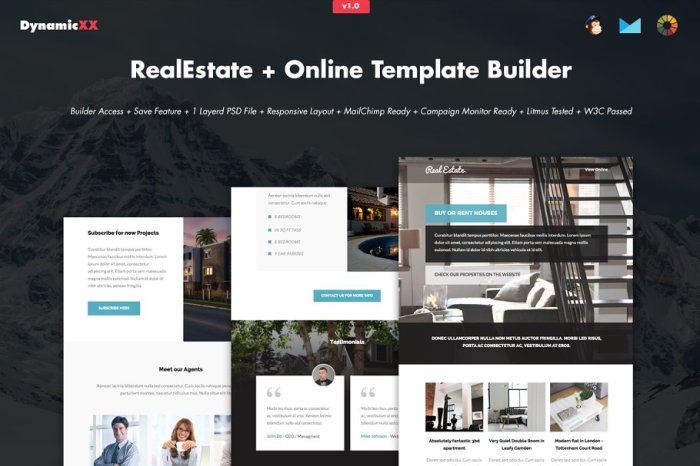
Email marketing for realtors is a powerful tool that can significantly enhance your outreach and client engagement. In a competitive real estate market, leveraging effective email strategies not only helps you stay connected with clients but also aids in building lasting relationships. By effectively utilizing segmentation and personalized content, realtors can tailor their messages to resonate with specific audiences, making each communication more impactful.
In this guide, we’ll explore various email marketing strategies that are particularly beneficial for real estate professionals. From crafting compelling campaigns that target unique segments to nurturing client relationships through regular newsletters, we’ll provide practical examples and insights to help you maximize your email marketing efforts.
Email Marketing Strategies for Realtors
Email marketing is an essential tool for realtors looking to connect with potential homebuyers, sellers, and investors. By utilizing targeted email campaigns, real estate agents can not only promote properties but also share valuable insights and build lasting relationships with their clients. The key to successful email marketing lies in understanding the audience and offering content that resonates with their needs and interests.An effective email marketing strategy involves several components, from crafting compelling subject lines to ensuring the right content reaches the right people.
The use of segmentation, personalization, and consistent engagement can significantly enhance the effectiveness of email campaigns. Realtors can create tailored messages that better meet the specific needs of different audience segments, leading to higher engagement rates and improved conversion outcomes.
Segmentation of Email Lists for Targeted Marketing
Segmentation is a crucial aspect of email marketing for real estate agents, allowing for tailored messaging that speaks directly to individual interests and needs. Properly segmented email lists can lead to more relevant communication and ultimately more successful campaigns. Here are some common segmentation strategies:
- Demographic Segmentation: Grouping contacts by age, income, or family status can help tailor messages. For instance, sending information about family-friendly neighborhoods to clients with children enhances relevance.
- Behavioral Segmentation: This involves categorizing leads based on their interactions with previous emails or the website. For example, clients who clicked on luxury listings may receive more entries about high-end properties.
- Geographic Segmentation: Local market insights can be advantageous. By sending targeted emails about properties in specific neighborhoods, realtors can cater to clients looking in particular areas.
- Stage in the Buyer Journey: Segmenting by whether a client is a first-time buyer, moving up, or downsizing allows for tailored content that addresses their specific concerns and needs.
“Segmentation allows for more personalized and relevant communication, which can significantly increase open rates and engagement.”
Realtors can implement automated systems to manage and segment their email lists effectively. Utilizing customer relationship management (CRM) software enables agents to track client interactions and preferences, making it easier to send targeted content that resonates with each audience segment. This strategic approach not only helps in nurturing leads but also fosters long-term relationships, encouraging client loyalty and referrals.
Building Relationships Through Email Marketing

Email marketing serves as a powerful tool for realtors to foster long-lasting relationships with clients. By establishing consistent communication, realtors can stay on top of their clients’ minds and provide valuable information that meets their needs. This approach not only enhances trust but also helps clients feel valued, turning one-time transactions into enduring partnerships.Personalization is key when it comes to engaging potential buyers and sellers through email marketing.
Tailoring messages to address specific needs and preferences can greatly improve response rates and foster stronger connections. Here are some effective methods for personalizing your emails:
Personalization Methods in Email Marketing
When personalizing emails, it’s essential to consider factors such as the client’s interests, past interactions, and current market trends. The following strategies can greatly enhance the impact of your communications:
- Segment Your Email List: Categorize your contacts based on their preferences, location, or stage in the buying/selling process. This allows for targeted messaging that resonates with each segment.
- Use Dynamic Content: Implement email systems that allow for dynamic content adjustments based on client data. For example, showing local listings that align with a client’s previous searches can create a more tailored experience.
- Personalized Subject Lines: Incorporate the recipient’s name or specific property interests in the subject line to capture attention and increase open rates.
Maintaining engagement with clients over time is vital in nurturing these relationships. Regular newsletters serve as an excellent platform for sharing relevant content that keeps clients informed and engaged. Here are some tips to ensure your newsletters are effective:
Engagement Strategies Through Newsletters
A well-crafted newsletter should provide value and insights, keeping clients interested in your offerings. Consider the following approaches to create engaging content:
- Market Updates: Share the latest trends and statistics in the real estate market. This helps clients stay informed and positions you as a knowledgeable resource.
- Home Maintenance Tips: Provide useful advice on maintaining their homes, relevant for both buyers and sellers. This not only showcases your expertise but also demonstrates your care for your clients’ investments.
- Community News: Highlight local events or developments that may impact property values or client interests. This personal touch keeps clients connected to their neighborhoods.
By focusing on personalized communication and value-driven content, realtors can cultivate meaningful relationships with clients that last well beyond a single transaction.
Email Campaigns for Unique Real Estate Segments
In the dynamic world of real estate, targeted email marketing can be a powerful tool for reaching specific segments of the market. By honing in on unique segments like commercial properties, foreclosures, or environmentally friendly homes, realtors can effectively engage potential buyers and sellers. This approach not only enhances engagement but also drives conversions by speaking directly to the needs and interests of distinct audience groups.To maximize the effectiveness of your email campaigns, it’s essential to tailor content that resonates with your specific audience.
This includes showcasing relevant properties, market insights, and community highlights. By understanding the nuances of each segment, realtors can craft compelling messages that capture attention and foster lasting relationships.
Email Campaigns for Commercial Properties
Creating focused email campaigns for commercial properties requires a strategic approach. Highlighting key features such as location, zoning, potential ROI, and nearby amenities can attract the right clients. To structure your content effectively, consider the following points:
Market Insights
Provide updates on local commercial real estate trends, including rental rates and vacancy statistics.
Investment Opportunities
Highlight unique investment opportunities, such as up-and-coming neighborhoods or properties undergoing redevelopment.
Client Success Stories
Share testimonials and case studies from businesses that have successfully found their space through your representation.
Email Campaigns for Foreclosures
Foreclosures can be a lucrative segment for realtors targeting price-sensitive buyers. It’s important to present these properties in an appealing light while educating potential buyers about the process. Here are some focused content ideas:
Property Listings
Feature a selection of available foreclosures, including high-quality images and detailed descriptions.
Educational Content
Include articles or tips on buying foreclosures, such as financing options and common pitfalls to avoid.
Local Market Trends
Share statistics on the foreclosure market, providing insights on pricing trends and the overall health of the market.
Email Campaigns for Green Real Estate Options
With the increasing demand for sustainable living, promoting green real estate can set your campaigns apart. Showcase eco-friendly properties and their benefits through the following content elements:
Energy Efficiency Features
Highlight properties with solar panels, energy-efficient appliances, and sustainable materials.
Community Initiatives
Share information on local sustainability initiatives or eco-friendly community features.
Benefits of Going Green
Educate your audience on the long-term savings from energy-efficient homes and potential tax incentives.
Email Campaign Scheduling Aligned with Market Trends
Timing is crucial in real estate marketing. Aligning your email campaigns with market trends ensures your content remains relevant and timely. To effectively plan your email schedule, consider the following:
Seasonal Trends
Create campaigns that align with seasonal buying patterns, such as spring for family homes or fall for investment properties.
Local Events
Schedule emails around local events or market expos to capture attention and drive engagement.
Monthly Market Reports
Provide monthly updates on market performance for homes, land, and condominiums, keeping your audience informed and engaged.By implementing tailored email campaigns focused on unique real estate segments, realtors can establish a strong market presence and build lasting relationships with their clientele.
Ultimate Conclusion
In conclusion, mastering email marketing for realtors is essential for standing out in the real estate industry. By implementing tailored strategies and focusing on relationship-building, you can create engaging campaigns that not only attract potential clients but also foster loyalty among existing ones. Remember, the key lies in understanding your audience and consistently delivering value through your emails.
Essential Questionnaire
What are the main benefits of email marketing for realtors?
Email marketing offers realtors the ability to reach a large audience, nurture leads, and maintain relationships with clients, all while providing cost-effective communication.
How often should realtors send out emails to their clients?
Realtors should aim to send out emails at least once a month, but the frequency can vary depending on the content and engagement of the audience.
What types of content should be included in realtor emails?
Realtors should include market updates, new listings, tips for buyers and sellers, community news, and personalized messages to keep content relevant and engaging.
How can I grow my email list as a realtor?
Realtors can grow their email lists by offering valuable resources such as eBooks, market reports, or hosting events that require email registration.
What tools are available for managing email marketing campaigns?
There are several tools such as Mailchimp, Constant Contact, and HubSpot that provide features for managing email lists, creating campaigns, and analyzing performance.


![Luxury homes for sale in [City]](https://fiabode.info/wp-content/uploads/2025/05/luxury-homes-300x200.jpg)
